



A loose dental implant crown can feel surprising, especially if the implant has been in place for a while. You may notice small changes at first, such as slight movement or an altered bite, before other signs appear. Being familiar with the symptoms of loose dental implant crown concerns gives you a practical foundation before you move toward assessment. Understanding what may signal a problem helps guide timely intervention and supports your dental health over the longer term.
How an Implant Structure Supports Your Bite
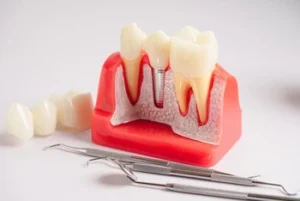
A dental implant is designed to replace missing teeth by acting much like a natural tooth root. Once placed in the jaw bone, the implant fixture supports a dental implant screw that holds a prosthetic tooth securely in position. This layered structure gives stability during everyday chewing, helping the crown sit in harmony with nearby natural teeth.
When a loose crown develops, it can affect how the implant functions as part of your bite. Even a slightly loose tooth-like cap may influence surrounding teeth or change how forces spread during chewing. If the connection between the crown and the implant weakens, the entire implant structure may feel different, especially when pressure is applied. Recognising these early shifts encourages timely review so the implant can continue to replace missing teeth effectively.
5 Early Signs That A Dental Implant Crown May Be Loose
These early indicators help you notice when a dental implant feels loose or behaves differently. Recognising them may help you decide when a dental appointment is timely.
1. A Sensation That Something Shifts During Biting
 You may feel a slight movement when biting, especially when harder textures make contact. This sensation can appear gradually, so subtle changes in how the prosthetic tooth sits against surrounding teeth can be easy to overlook at first. Subtle experiences like those below may guide your understanding of what is happening.
- Small rocking movements when chewing: Even minimal movement suggests that the implant crown or loose abutment may not be seated firmly.
- Short-lived discomfort when pressure is applied: Too much pressure at a single point may highlight a change in how the crown connects.
- Movement that returns intermittently: If you notice shifting only occasionally, the issue may still be progressing.
- Changes with temperature: Hot or cold contact may intensify sensations near the implant area.
2. New Spaces Around The Crown Changing How It Feels
Sometimes new gaps appear around the implant crown that change how food collects between teeth. These changes may come with the feeling that the implant crown sits slightly higher or lower than natural teeth.
3. Unusual Sounds When You Chew Or Speak
Clicking or tapping near the implant may suggest the loose dental implant crown has shifted from its intended position. These sounds usually reflect movement where the crown should be still.
4. Height Changes Making Your Bite Feel Uneven
If the crown feels higher than before, it may interfere with your bite or alter how adjacent teeth meet. A sudden change may increase excessive force on one side.
5. Food Collecting In Unexpected Areas
You may notice food gathering where it did not before, which can be an early sign that the crown has shifted or that small gaps have formed around the implant.
- Food particles packing around the implant post: This may signal lifting of the crown.
- Sticky traces between the crown and adjacent teeth: Sticky foods might get caught more easily, pointing to the space where cement-retained crowns or screw-retained crowns may loosen.
- Frequent floss snagging: This may indicate the fit at the implant site has changed.
- Whether debris appears quickly after meals: Fast buildup may suggest protective seals are compromised.
Reasons Why A Dental Implant Crown Becomes Loose
A loose dental implant crown can arise for several reasons. Recognising potential causes helps you decide how to discuss the issue with a dental professional and plan timely intervention.
Wear At The Connection Point Between the Implant And the Crown
Over time, repeated pressure can change how the crown attaches to the implant fixture. The actual implant remains seated in bone, but the point where the crown joins may loosen because of repeated loading, weaker dental cement, or screw fatigue. Different day-to-day forces can play a role, such as:
- Daily chewing places small forces on the joint
- Hard or sticky foods may add strain
- Older crowns attached years before may shift more easily
- Connection points vary depending on whether dental crowns are cemented or screwed
Bite Pressure Gradually Altering Crown Stability
Uneven bite patterns may place too much pressure on the loose implant crown. Grinding teeth or clenching can produce enough force to disturb the fit, leading to instability over time.
Gum Or Bone Changes: Shifting Overall Support
Gum disease or gum irritation can reduce support around the implant. In some cases, bone loss or insufficient bone support around the implant can alter how the crown sits. If the surrounding bone shifts, the implant crown may no longer feel stable against adjacent teeth.
Previous Repair Work That No Longer Holds Correctly
An existing crown may gradually loosen if earlier adjustments did not hold. Cement or internal components can weaken, especially if oral health concerns or tooth decay develop around the implant.
What To Do If You Suspect A Loose Implant Crown
A loose implant crown should be reviewed promptly. These next steps help you understand how to respond with clarity.
Why Prompt Review Helps Protect The Implant Post
Seeing your provider early supports the goal of keeping the implant healthy. If a loose dental implant crown is reviewed quickly, your treatment plan can be shaped before further damage occurs. Early conversations help protect the implant fixture and surrounding gums while reducing the chance of additional implant complications.
Short-Term Steps That Help While You Wait
 Short-term measures can help you stay comfortable before your visit. Here are a few ways to stay comfortable until your visit:
- Avoid hard or sticky foods: These may pull at the loose crown.
- Chew on the opposite side: This lowers tension around the implant.
- Maintain good oral hygiene: This keeps the implant area clean.
- Rinse gently: Warm water may help if the gum tissue feels irritated.
When Movement Signals Deeper Structural Concerns
If a loose dental implant feels loose at the base rather than only at the crown, deeper issues may be present. This may suggest a change around the implant post, implant failure, or shifting in the underlying bone structure. Immediate dental attention is helpful if movement feels significant or discomfort worsens.
How Longer-Term Plans Prevent Repeated Loosening
Planning for longer-term stability may involve evaluating the underlying cause. If poor oral hygiene contributed, adjustments can help protect oral health. When insufficient bone support exists, bone grafting may be discussed to help reinforce structures around the implant. This keeps focus on ongoing support rather than short-term repair only.
How Bite Assessment Shapes Next Steps
A bite review may guide adjustments to reduce strain on the loose dental implant. Too much force on a single point may affect the implant structure, especially if grinding teeth has been affecting the area. Modifying contact helps protect artificial tooth function.
Why Delaying Review May Create New Complications
Putting off assessment may lead to further complications. A loose implant crown that remains untreated could shift against surrounding bone, irritate surrounding gums, or impact the entire implant. If the implant dentistry evaluation is delayed too long, problems may extend to a new implant or the underlying cause, increasing the risk of further damage.
Take Steps Toward Protecting Your Implant
 You might now feel more familiar with the symptoms of a loose implant crown and how these signs can develop. Addressing loose dental implant symptoms early helps protect the implant structure while reducing the chance of further complications. If your implant feels loose or you notice changes at the implant site, scheduling a dental appointment supports your next step. Before your visit, small habits like avoiding hard textures, staying mindful of sticky foods, and keeping a calm bite may reduce strain.
Some patients prefer to jot down when changes first appear, helping conversations feel more focused. Others track whether tenderness changes between meals, which can assist your dentist in understanding what is happening beneath the crown.
We welcome conversations that help you protect your implant over time. For guidance, please phone us on 07 4158 5813.
Note: Any surgical or invasive procedure carries risks. Before proceeding, you should seek a second opinion from an appropriately qualified health practitioner.
References
https://www.mayoclinic.org/tests-procedures/dental-implant-surgery/about/pac-20384622#
https://bmcoralhealth.biomedcentral.com/articles/10.1186/s12903-024-04369-5?