



It is often surprising how quietly early tooth changes appear, especially when nothing feels urgent, yet something still draws your attention. You may catch yourself wondering why a small twinge appears during a meal or why a particular spot reacts differently when you chew. These early shifts can prompt questions about what is happening beneath the surface and whether it is the right time to act. Tooth decay treatment often enters the picture once these changes become too consistent to ignore, even when discomfort remains mild. You may want clearer answers before taking the next step, particularly when everything still feels normal in your daily routine.
Understanding what is unfolding inside the tooth helps you approach decisions with more confidence and clarity, especially when you begin thinking about the stages of tooth decay.
Why Tooth Decay Develops in the First Place
A few underlying factors often begin shaping the decay process even before you notice visible changes.
 Bacterial Activity Gradually Softens the Enamel Surface
 Bacterial Activity Gradually Softens the Enamel Surface
Harmful bacteria begin forming when dental plaque collects in undisturbed areas, allowing acids to linger. As these acids stay in contact with tooth enamel, minerals start dissolving, creating the earliest form of enamel decay. The longer this interaction continues, the more the surface weakens. This stage progresses slowly but steadily when not disrupted by daily care, especially when steps to prevent tooth decay are not yet part of your routine.
Food Acids Weaken Protective Layers Over Time
Acids created from sugary and acidic foods repeatedly interact with the enamel. Small exposures throughout the day keep the mouth in an acidic environment for longer than you might expect. The result is a gradual softening that leaves teeth more vulnerable to the next stage of the tooth decay process. Without intervention, this pathway continues into deeper layers and becomes harder to stop tooth decay before it progresses further.
Dry Mouth Reduces The Mouth’s Natural Defences
Reduced saliva flow can give acids more time to affect the tooth. Without adequate moisture, the mouth struggles to clear food particles efficiently. This environment encourages bacterial buildup and speeds the shift from early softening into dentin decay. When saliva levels fall, the protective cycle becomes harder to maintain, which can also add to periods of tooth pain.
Worn Enamel Exposes Deeper Tooth Structures Earlier
Enamel can naturally wear down from long-term use, brushing habits, or diet choices. Once this protective layer becomes thin, the risk of early tooth decay increases. Weakened areas allow acids to reach deeper layers sooner than expected. This leaves the tooth more open to damage, especially across chewing surfaces or along the gum line, even in baby teeth that still rely on developing enamel.
Signs of Decay You Should Notice Early
Temperature Sensitivity Becomes More Noticeable at Mealtimes
Exposure to hot or cold drinks may trigger sudden tooth sensitivity, often indicating the enamel is thinning. These sensations might come and go, but typically grow sharper over time. Once these reactions appear regularly, early attention becomes valuable. Sensitivity often reflects changes beneath the surface, even before clear marks appear.
Darkened Spots Form in Areas That Trap Food More Easily
Shadowed or darker regions can hint at dental caries forming. These areas often develop where plaque and food particles sit for longer periods. Because the early stages remain without obvious discomfort for many, visible changes may be among the first clues. Noticing these variations early can shorten the time needed for early detection and help identify emerging cavity symptoms.
A Dull Ache Appears When Pressure Builds Inside the Tooth
You may feel this ache when biting, especially if decay reaches the deeper layer near the tooth’s pulp. As soft tissue becomes irritated, discomfort increases gradually. This type of sensation is often easy to overlook until it becomes consistent. The presence of pressure often means the decay is progressing.
Tooth Decay Treatment Options Designed for Your Needs
Fillings Rebuild Areas Where Decay Has Been Cleared
When decay has been removed, dental fillings replace the missing structure. Materials such as composite resin reinforce the tooth and protect it from further decay, allowing you to chew comfortably again. This approach suits many early and moderate stages. It helps stabilise the tooth before deeper layers become affected and is shaped using precise filling material that matches the remaining tooth structure.
Crowns Protect Weakened Teeth From Further Breakdown
A crown often becomes important once a large portion of the tooth structure has been compromised. It sits over the natural tooth to provide shape and function. This option is commonly recommended when a filling would not offer enough support. By covering the weakened area, the crown reduces the likelihood of deeper involvement. A well-fitted crown also helps create a steadier bite, especially when neighbouring teeth rely on shared support. You may notice daily comfort improving as the tooth becomes less reactive to pressure. Over time, this added protection keeps the remaining structure from wearing down any further.
Root Canal Therapy Preserves Teeth Affected by Deeper Infection
Decay that reaches the inner chamber may require root canal treatment to clean out the damaged nerves and blood vessels. Once treated, a crown typically protects the remaining structure. This method helps avoid tooth extraction when the affected tooth still has enough strength to remain stable. It provides a calmer path forward when the deeper layers are involved and lowers the chance of gum disease affecting the surrounding areas.
Extraction Becomes the Last Option for Severely Damaged Teeth
If decay reaches the tooth’s root or the tooth is left untreated, removal may be necessary. Extraction prevents abscess formation and stops bacteria from spreading. While it is reserved for advanced cases, the decision sometimes protects surrounding natural teeth. Replacement options can then be considered to restore balance.
Practical Steps and Long-Term Habits That Support Healthier Teeth
Strengthen Enamel With Fluoride Products Used Consistently
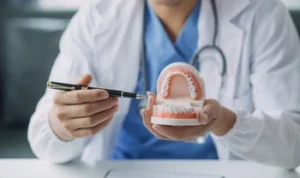 Using fluoride toothpaste daily helps maintain the outer layer against acids. Your dentist may also mention fluoride treatments during visits if the risk is higher. These steps keep enamel more resilient over time. Regular exposure slows the progression of the early stages of decay.
Using these products every morning and night gives the enamel a consistent shield that builds gradually. You may also notice that teeth feel less sensitive once the surface becomes stronger again. Each small application contributes to a more stable base that holds up better through everyday meals.
Reduce Sugar Exposure During Everyday Meals
The mix of sweet foods, sugary snacks, and frequent sipping encourages bacteria to remain active for longer periods. Reducing these exposures lowers the chance of acids forming across the tooth surface. Moderation matters even when snacks seem small. Changes here often bring noticeable improvements.
Spacing out sweets rather than grazing helps your mouth recover naturally between meals. You create a calmer environment for the enamel when sugar is not constantly reintroduced. Over time, this pattern becomes easier to follow as you begin noticing which food choices influence your comfort the most.
Refresh the Mouth With Water After Snacks or Drinks
Rinsing with plain water after meals removes small food particles that cling to the enamel. This step also supports the body’s natural defences when saliva levels are lower than usual. Water assists in clearing acids before they linger. Over time, this habit reduces the need for more involved treatments.
You may find that this quick rinse becomes almost automatic once you feel how much fresher your mouth is afterwards. Even a few swishes can break up the film that settles after sticky foods. This simple step strengthens your efforts throughout the day without adding extra time to your routine.
Shape Daily Brushing Patterns to Support Long-Term Comfort
Maintaining good oral hygiene helps interrupt the decay chain before damage spreads. Regular brushing and maintaining good oral hygiene at home allow enamel to stay clearer of bacterial buildup. This habit protects both adult teeth and children’s teeth. Consistency becomes more valuable than intensity.
Brushing at similar times each day helps create a rhythm that your mouth adapts to naturally. A familiar routine also makes it easier to notice small changes along the gum line or chewing edges. When these patterns stay steady, you give your enamel a stronger chance to stay balanced.
Floss Regularly to Interrupt Plaque Before It Settles Deeper
Flossing keeps plaque bacteria from advancing into narrow spaces. These areas often escape brushing alone. Addressing them each day helps support optimal oral health. When done routinely, this step reduces the chance of smaller spots turning into larger issues.
This small habit also prevents food from sitting long enough to ferment and irritate the gums. You may notice less tenderness when flossing becomes more consistent. Over time, these cleaner spaces help the enamel stay smoother and less vulnerable to sudden sensitivity.
Choose Food Options That Reduce Bacterial Buildup Through the Day
Selecting a healthy diet with lower acidity helps slow the movement from early decay into deeper involvement. This becomes important for you if certain habits are hard to change. Simple choices throughout the day reduce the chance of irritation or sharp pain developing later. Stability often grows from repeated small decisions.
Filling your meals with crisp vegetables or fibre-rich foods also helps clear the tooth surface naturally. These options often make the mouth feel cleaner between brushing sessions. When chosen regularly, they support a gentler balance inside the mouth from morning until night.
Attend Routine Visits That Guide Personalised Maintenance Plans
 Regular dental check-ups help track progress and address risks before they escalate. During these visits, your dentist examines factors such as risk factors, diet, and saliva changes. The guidance received during these appointments supports ongoing dental health. Long-term protection often comes from these steady reviews.
These appointments also give you a chance to ask about any new sensations that feel unusual. Adjustments made early often prevent more complex treatment later. Over time, these visits form a steady foundation that keeps your oral health stable and predictable.
Restore Comfort With Timely Tooth Care
You have more control over your oral comfort than it may initially seem, especially once you understand how small daily patterns, including how often you reach for sugary foods, influence deeper layers of a tooth. When early changes appear, timely care prevents mild concerns from turning into problems capable of causing severe pain or progressing into advanced dental issues.
A clear treatment plan may include protective treatments that help stabilise vulnerable areas, protect neighbouring teeth, and keep your overall oral health steady. If you have questions about your symptoms or want guidance tailored to your needs, our team is ready to talk through your options. For support with diagnosis, treatment, and personalised care, please call our clinic on 07 4158 5813.
Note: Any surgical or invasive procedure carries risks. Before proceeding, you should seek a second opinion from an appropriately qualified health practitioner.
References
https://medlineplus.gov/toothdecay.html
https://www.nidcr.nih.gov/health-info/dental-fillings