



When someone is told they may not have enough bone for dental implants, it can feel like a door has closed on a treatment they were hoping for. In many cases, though, that door is still open. A sinus lift and bone graft are the procedures that can make implant placement possible when the jaw needs rebuilding first.
These are surgical procedures, and understanding what each one involves, when they are needed, and what recovery looks like is part of making an informed decision about your care.
At Harris Dental Boutique in Bargara, Dr Linc and the team take time to explain every stage of your dental implants treatment in plain language, so you know exactly what to expect before anything begins.
Quick Overview
- A sinus lift and bone graft are surgical procedures that rebuild or augment bone in the jaw to prepare it for dental implant placement.
- They may be recommended when bone loss from missing teeth, gum disease, or other causes has left insufficient bone volume to support an implant securely.
- Both procedures involve adding bone material to the jaw and require a healing period, though what each involves and how long recovery takes can vary significantly.
- What influences the outcome includes the extent of bone loss, the type of graft material used, your overall health, and how well aftercare instructions are followed.
- Whether these procedures are needed at all is determined by a detailed assessment, including imaging of the jaw and sinus anatomy.
Keep reading to understand what a sinus lift and bone graft each involve, when they are necessary, and what to expect throughout the process.
What Is a Sinus Lift?
A sinus lift, also called sinus augmentation, is a surgical procedure that increases bone height in the upper jaw in the area of the molars and premolars. It is needed when the maxillary sinuses sit too close to the jawbone, leaving insufficient vertical space to place a dental implant safely.
The maxillary sinuses are air-filled cavities located just above the upper teeth on each side of the nose. When upper teeth are lost, the surrounding bone can resorb over time, and the sinus cavity may expand downward into the space the bone once occupied.
During a sinus lift, a small window is made in the outer sinus wall. The sinus membrane is carefully elevated, and bone graft material is packed into the space created between the jaw and the sinus floor. Over several months, this material integrates with the natural bone, building the height needed for an implant to be placed securely.
What Is a Bone Graft and How Is It Different?
A bone graft is a broader procedure that rebuilds jawbone wherever volume has been lost, not just in the upper jaw beneath the sinus. It may be used in the lower jaw, across multiple sites, or alongside a sinus lift when both height and width need to be restored.
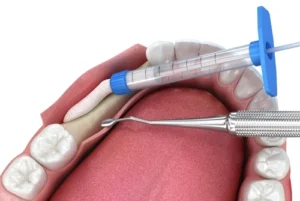 Bone graft material can come from several sources. Your own bone, taken from elsewhere in the mouth or body, is called an autograft. Donated human bone is an allograft. Animal-derived bone, most often bovine, is a xenograft. Synthetic materials can also be used. Each option has different integration timelines and clinical considerations, and your dentist will discuss the most appropriate choice for your situation.
The purpose of both procedures is the same: to create enough stable bone for an implant to fuse with, so it can function reliably over the long term.
Why Do Some Patients Need These Procedures Before Implants?
Not everyone who wants dental implants will need a bone graft or sinus lift. Whether they are needed depends on how much existing bone is available at the implant site.
The most common reasons for bone deficiency include tooth loss that occurred a long time ago, gum disease that damaged the supporting bone, previous extractions where healing was incomplete, and the natural anatomy of the upper jaw, where the sinus cavities often leave limited vertical bone from the outset.
Bone resorption is a gradual process. The longer a tooth has been missing, the more bone is typically lost in that area. Healthdirect Australia notes that adequate jawbone is required for an implant to be placed securely, which is why early assessment matters when implants are being considered.
What Are the Risks of a Sinus Lift?
A sinus lift is a surgical procedure and carries risks that your dentist will explain in detail before you proceed. The most common intraoperative complication is perforation of the sinus membrane during the elevation step.
A 2024 PLOS ONE review analysed 2,168 lateral sinus lift procedures and found a membrane perforation rate of 19%. Small perforations can often be managed at the time of surgery, while larger ones may require the procedure to be paused and rescheduled. Pre-surgical imaging of the sinus anatomy is important for assessing perforation risk, as anatomical factors such as membrane thickness and sinus septa influence outcomes.
Other potential complications include swelling, pain, nasal congestion, post-operative sinus infection, and, in some cases, excessive bleeding. Your recovery will be supported by a clear aftercare plan from your dentist.
What Happens During Recovery?
Recovery from a sinus lift or bone graft follows a predictable pattern. Swelling, mild discomfort, and some bruising are normal in the days following surgery and typically begin to improve within the first week.
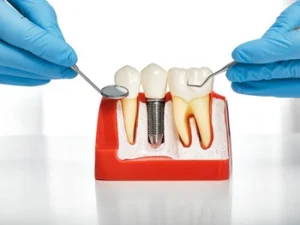 Some important aftercare points include:
- Avoid blowing your nose or sneezing with your mouth closed in the days after a sinus lift, as pressure in the nasal area can disturb the graft material
- Eat soft foods and avoid chewing directly on the surgical site
- Take any prescribed antibiotics and pain medication as directed, and complete the full course
- Keep the surgical site clean as instructed, without disturbing healing tissue
- Attend all scheduled follow-up appointments so your dentist can monitor healing and check for early signs of any complications
It’s always advised that regular dental visits and following care instructions are central to good oral health outcomes, and this applies particularly in the weeks following a surgical procedure.
Once the graft has integrated with the existing bone, which can take several months, the area is reassessed to determine when implant placement can proceed. Individual healing timelines vary, and your dentist will advise based on your imaging and clinical progress.
Can a Sinus Lift and Implant Be Placed at the Same Time?
In some cases, yes. If there is enough residual bone height in the upper jaw to provide primary stability for the implant, the sinus lift and implant placement can be completed at the same appointment. This reduces the overall treatment timeline.
Where bone height is too low to support an implant during the sinus lift, the procedures are staged. The sinus lift is completed first, the graft is given time to fully integrate, and the implant is placed once sufficient bone has formed.
Whether simultaneous or staged placement is appropriate depends on detailed imaging and clinical assessment. This is determined for each patient individually, not by a general rule.
Planning Your Treatment at Harris Dental Boutique
At Harris Dental Boutique in Bargara, every implant treatment pathway begins with a comprehensive assessment. This includes 3D imaging, a detailed review of your jaw and sinus anatomy, and an open conversation about your options. Where bone augmentation is needed, the type of procedure, graft material, and staging are all chosen based on your individual anatomy and treatment goals.
Dr Linc has extensive experience in implant dentistry, including cases that require preparatory bone augmentation. The clinic’s on-site imaging and laboratory facilities allow for precise planning and consistent care from assessment through to placement.
A thorough assessment is the only way to know what your situation calls for, and that conversation is the natural starting point.
Harris Dental Boutique is located at Suite 2/16 See Street, Bargara. Request an appointment or call us on 07 4158 5813.
Any surgical or invasive procedure carries risks. Before proceeding, you should seek a second opinion from an appropriately qualified health practitioner.
Frequently Asked Questions
 Does everyone who needs dental implants also need a bone graft or sinus lift?
No. These procedures are only recommended when there is not enough existing bone to support an implant safely. Many patients have sufficient bone and can proceed directly to implant placement. A thorough assessment, including 3D imaging, is the only way to determine what your situation requires.
How long does it take for a bone graft or sinus lift to heal before implants can be placed?
The integration period typically ranges from several months, depending on the extent of the graft, the type of material used, and individual healing factors. In cases where an implant can be placed at the same time as the sinus lift, the overall timeline is shorter. Your dentist will advise on the expected timeline based on your imaging and clinical progress.
Is the procedure painful?
Both procedures are performed under local anaesthesia, and sedation options are available for patients who prefer additional comfort. Post-operative discomfort is normal and typically managed with prescribed pain relief and antibiotics. Most patients find the recovery more manageable than they expected. Individual experiences vary.
Can a sinus lift or bone graft fail?
These procedures can fail to integrate if infection develops, if aftercare instructions are not followed, or if the graft material does not bond with the natural bone. Sinus membrane perforation during a sinus lift is the most common intraoperative complication. Close follow-up with your dentist gives the best opportunity to identify any issues early and address them before they escalate.
References
Healthdirect Australia. (2025). ‘Dental Implant’. Healthdirect, 12 June. Canberra, ACT: Australian Government Department of Health. https://www.healthdirect.gov.au/dental-implant
Yang, B., Wang, T., Wen, Y. and Liu, X. (2024). ‘Association between Sinus Septa and Lateral Wall Thickness with Risk of Perforation during Maxillary Sinus Lift Surgery: A Systematic Review and Meta-Analysis’. PLOS ONE, 19(8), e0308166, 8 August. San Francisco, CA: Public Library of Science. https://pmc.ncbi.nlm.nih.gov/articles/PMC11309397/
Better Health Channel. (n.d.). ‘Dental Treatment’. Better Health Channel. Melbourne, VIC: Victorian Government Department of Health. https://www.betterhealth.vic.gov.au/health/conditionsandtreatments/dental-treatment
Cleveland Clinic. (2021). ‘Dental Bone Graft: What It Is and When You Might Need One’. Cleveland Clinic, 27 September. Cleveland Clinic. https://my.clevelandclinic.org/health/treatments/21727-dental-bone-graft