



Noticing changes along your lower teeth can raise questions you did not expect to have.
Movement in this area often feels more noticeable because it affects how your bite sits and how your mouth feels at rest. If you are thinking about how to straighten bottom teeth, understanding what causes these shifts is an important first step.
This post explains why lower teeth change position, what influences their alignment, and which approaches are commonly used to guide them back. It also outlines practical considerations so you can make informed decisions that suit your mouth and daily routine.
Why Bottom Teeth Often Lose Their Straight Position Over Time
Changes in the lower row often happen gradually, which is why they can feel unexpected when you finally notice them.
Early Crowding Develops Without Clear Warning
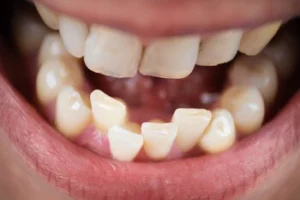 You might remember having fairly straight teeth earlier in life, only to notice crooked teeth developing along the lower front teeth years later. This shift usually starts when there is less space available in the lower jaw, even if the change feels subtle at first.
As jaw size and tooth size interact, misaligned teeth can appear simply because there is not enough room for everything to sit evenly. Lower teeth are especially vulnerable because they are tightly packed and influenced by other teeth around them.
Over time, small changes can affect how teeth line up without causing immediate discomfort. These other factors often explain why crowding appears without a single obvious trigger.
Bite Pressure Gradually Redirects Tooth Position
Every time you chew or rest your jaw, pressure moves through your bite. That pressure does not land evenly across upper and lower teeth for everyone. If your top teeth meet the lower row unevenly, the balance between upper and lower teeth can shift.
This can influence how top and bottom teeth contact each other during daily use. When lower teeth play a greater role in absorbing force, their position may slowly change. Bite problems can develop quietly, altering alignment in ways you only notice later. The way your jaw moves and closes can affect tooth position over time.
Jaw And Habit Changes Influence Long-Term Alignment
Certain habits and changes over time can influence how teeth settle. Thumb sucking earlier in life, missing teeth, or changes in the gums can all affect stability. Gum disease and overall oral health play a role in how securely teeth remain supported.
As you age, the mouth adapts, and that adaptation can increase risk for movement in adults. When support structures change, alignment may follow. These influences often work together rather than in isolation.
Ways You Can Straighten Bottom Teeth Safely And Predictably
Once you understand why changes happen, the next step is knowing which treatment options suit your mouth and your goals.
Clear Aligners Provide Controlled Movement Over Time
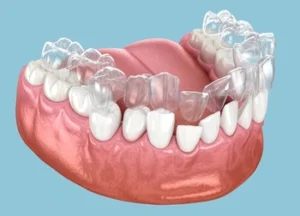 Clear aligners offer a flexible approach if you want to straighten your bottom teeth without drawing attention to treatment. These removable aligners are custom-made to guide movement in stages, applying gentle pressure where it is needed.
Invisalign is one example of this approach, using aligners that many adults prefer because they are virtually invisible during daily wear. You can remove them for meals and cleaning, which helps maintain routines.
If your aim is to straighten your teeth gradually, aligners allow controlled changes without fixed brackets. This option works well when wear remains consistent.
Braces Remain A Reliable Option For Complex Shifts
Braces continue to play an important role when movement needs more control. Metal braces and traditional metal braces use fixed pressure to guide teeth that require greater adjustment. Traditional metal systems are often chosen when straightening crooked teeth involves more complex positioning.
Orthodontic treatment using braces can address rotation and spacing that aligners may struggle with. While the experience differs from aligners, this treatment approach remains widely used for a reason. Braces are part of a broader treatment plan tailored to your needs.
Lingual And Ceramic Options Reduce Visual Impact
If visibility is a concern, lingual braces and ceramic braces offer alternatives to standard metal systems. Lingual braces sit behind the teeth, while ceramic braces blend more easily with natural tooth colour. These options still support teeth straightening while keeping the visual impact lower. Choosing between these options depends on how your teeth respond to pressure and what suits your day-to-day routine.
Retention And Planning Protect Long-Term Results
 Straightening teeth does not stop once the movement finishes. Retention helps keep the bottom teeth in position after alignment improves. Wearing a retainer supports teeth alignment while your mouth adapts. Treatment options should always reflect individual needs, and guidance from a dentist helps protect long-term stability.
Careful planning allows small adjustments rather than repeated treatment. This approach supports results that feel settled rather than temporary.
Let’s Review Your Options Together At Our Clinic
If lower tooth changes are affecting comfort or confidence, a professional review can clarify what is happening and what options suit your mouth. Visiting our clinic gives you the chance to discuss your bite, spacing, and alignment without assumptions or pressure. We take time to explain which approaches may help and how they fit into daily life.
Whether treatment involves monitoring or active care, guidance helps you move forward with clarity. To arrange a visit and talk through treatment options with us, contact our clinic on 07 4158 5813.
References
https://www.nature.com/articles/vital1329
https://www.dentalhealth.org/orthodontic-treatment