



A tooth that has already undergone root canal treatment can sometimes fail in ways that catch you off guard. When the break occurs right at the gum line, it often raises immediate questions about how much of the tooth is still usable and whether the damage happened suddenly or over time. This type of fracture usually develops quietly, with internal weakening long before anything becomes visible.
What draws your attention may be a change in how the tooth feels, how it contacts opposing teeth, or simply the realisation that part of it is no longer intact. Recognising what this pattern of damage suggests makes it easier to respond thoughtfully, without feeling pressured into quick decisions.
What It Really Means When a Root Canal Tooth Breaks at the Gum Line
A fracture at this level changes how the tooth functions and limits what support remains above the gums.
 Loss Of Visible Structure Above The Gums
 Loss Of Visible Structure Above The Gums
When a root canal tooth fractures close to the gum line, there is often very little height left to stabilise it. You may feel as though the broken tooth sits flat or uneven against your tongue. Even without immediate discomfort, the lack of structure leaves the canal tooth exposed to everyday forces. This is why a broken root canal tooth can feel fragile even when pain is not present.
Why The Break Often Appears Sudden
Many assume the tooth failed overnight, yet the process usually starts much earlier. Internal tooth cracks can spread quietly beneath the surface after root canal treatment, weakening the remaining walls. When pressure builds beyond what the structure can tolerate, the root canal tooth breaks in a way that feels unexpected. The visible tooth fracture is often the final stage of a longer process.
How Previous Treatment Changes Tooth Stability
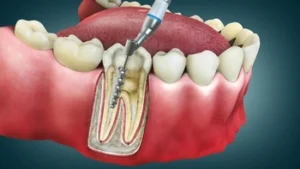
A root canal procedure removes infected tissue but also changes how force travels through the tooth. Once treated, the remaining tooth structure absorbs pressure differently than a natural tooth. Without reinforcement, stress concentrates along thinner areas, increasing the risk of a fractured tooth. This shift explains why treated teeth need careful monitoring over time.
Common Forces That Lead to a Treated Tooth Fracturing
Breaks rarely occur for a single reason. They usually develop through combined stress and existing weakness.
Internal Weakness Following Root Canal Work
After a root canal, the internal support system no longer adapts the way it once did. If a dental crown is delayed or never placed, the exposed tooth becomes more vulnerable. Over time, this can contribute to cracked tooth syndrome, where internal fractures progress without clear warning. The result is often a fractured cusp or deeper split.
You may not notice any discomfort at first, which can make the change easy to overlook. This internal shift often develops quietly until the outer structure can no longer compensate.
 Repeated Pressure From Everyday Biting
 Repeated Pressure From Everyday Biting
Daily chewing places repeated force on a treated tooth. When that force concentrates in one area, the tooth may struggle to cope long-term. Teeth grinding during sleep can intensify this strain, causing the tooth to exert excessive pressure on already weakened areas. Over time, this leads to fatigue and structural failure.
Even routine meals can add to the load when a tooth has lost internal resilience. Small imbalances in bite contact can magnify stress without obvious signs early on.
Cracks That Travel Below The Surface
Some fractures extend beyond what you can see. Vertical root fractures can travel along the tooth root and into the surrounding bone, making repair more complex. A split tooth may remain quiet for a period before symptoms emerge. Once this type of damage occurs, options become more limited.
You might only become aware of the issue when discomfort appears during biting. By that stage, the fracture has often progressed further than expected.
Habits That Increase Stress On One Tooth
Certain habits place a disproportionate load on treated teeth. Biting hard foods, chewing ice, or favouring one side of the mouth can speed up damage. When combined with tooth decay or areas of thinning enamel, this stress can potentially lead to further breakdown. Over time, a broken root canal may develop without obvious warning signs.
These patterns often feel harmless because they happen gradually. Awareness of how you use your teeth day to day can help explain why damage appears unexpectedly.
Deciding What Comes Next When the Tooth Cannot Be Rebuilt
The next step depends on how far the damage extends and how much support remains.
What A Thorough Examination Looks For
A dental professional begins with a thorough examination to assess the extent of the break. Imaging helps determine whether the fracture remains above the root or extends deeper. This evaluation considers the tooth’s appearance, root integrity, and surrounding tissues. These findings guide realistic treatment options.
You may be asked about when the break occurred and whether any sharp pain followed. Small details you notice at home often help complete the clinical picture.
Situations Where Reinforcement May Still Work
In some cases, enough structure remains to stabilise the tooth. Dental bonding or placement of a permanent crown may reinforce the area if the fracture stays above the root. This approach focuses on preserving the affected tooth while protecting it from excessive pressure. Success depends on remaining support and overall stability.
You might feel surprised to learn how little structure is sometimes needed to regain function. Careful planning helps avoid placing stress where the tooth is already vulnerable.
When Removal Protects Surrounding Structures
If the fracture extends into the root or compromises support, tooth extraction may be advised. Removing the tooth can prevent further damage to adjacent teeth and surrounding tissues. A failed root canal often reaches this stage when cracks spread beyond repair. Acting at this point helps avoid further complications.
This recommendation is based on protection, not urgency. Leaving a compromised root in place can quietly affect nearby bone over time.
Planning Ahead After A Tooth Is Lost
 A missing tooth affects balance, bite function, and long-term stability. Replacement planning supports long-term oral health and overall health by maintaining spacing and load distribution. Discussing appropriate treatment early allows you to consider options calmly. Ongoing dental care, supported by routine dental check-ups, helps protect remaining teeth and maintain oral hygiene.
You do not need to decide on a replacement immediately in most cases. Understanding the timeline helps you plan without pressure.
Decisions Made Early Shape What Comes Next
A root canal tooth breaking near the gum line reflects gradual internal change rather than sudden failure. Early assessment helps clarify whether reinforcement, root canal retreatment, or removal is needed before the situation worsens. Attention to good oral hygiene, pressure habits, and timely review supports better outcomes when a tooth is left untreated. With informed guidance and measured decisions, long-term stability remains achievable without unnecessary escalation.
Taking time to pause and assess often prevents small issues from becoming harder to manage later. Clear information about the condition of the tooth can reduce uncertainty and help you weigh options without pressure. Early conversations also make it easier to plan next steps with confidence rather than reacting to discomfort or sudden changes.
If you would like to discuss what you are noticing or arrange a review, you are welcome to contact our clinic on 07 4158 5813.
Note: Any surgical or invasive procedure carries risks. Before proceeding, you should seek a second opinion from an appropriately qualified health practitioner.
References
https://www.mayoclinic.org/diseases-conditions/tooth-abscess/in-depth/root-canal/art-20585454
https://www.colgate.com/en-us/oral-health/root-canals/the-truth-about-root-canal-dangers