



Noticing a change in gum colour can stop you in your tracks, especially when it appears suddenly or without discomfort. White gums around teeth can raise questions because gums are not something most people examine closely until they look different. In some cases, the change is brief and linked to pressure or dryness. In others, it reflects something happening beneath the surface that deserves attention. Understanding how gums normally behave helps you interpret what you are seeing without rushing to conclusions. What matters most is how these changes relate to your broader oral health and whether they settle or continue.
What Healthy Gum Colour Usually Looks Like
Healthy gums do not follow a single shade chart, and variation alone does not signal trouble. What matters is how colour, texture, and responsiveness work together over time.
Natural Variations in Gum Colour
Healthy gums are often described as pink, but that description leaves out important nuances. Your natural colouring, circulation, and hydration all influence how your gums appear from day to day. Some gums lean lighter or appear as pale gums, particularly after pressure or when blood flow shifts briefly. This does not automatically point to disease. When circulation is steady and healthy red blood cells are doing their job, gums usually return to their baseline shade. Changes become more meaningful when colour stays altered rather than fluctuating. That stability is one of the clearest signs of healthy gum tissue.
How Texture and Moisture Affect Appearance
Colour is only part of the picture. The surface of the gum tissue also affects how light reflects, which can make gums look lighter or duller than usual. Along the gum line, dryness or swelling may change the way tissue catches light, even if circulation remains normal. Inside the mouth, the tissues are sensitive to dehydration, irritation, and friction. When these tissues feel dry or tight, especially in areas with sensitive mouth tissues, they may temporarily appear lighter. This type of change often settles once moisture and balance return.
Common Reasons Gums May Appear White Around Teeth
Changes in gum colour usually have a cause, even when they seem to appear without warning. Some reasons are temporary and physical, while others involve irritation or changes within the mouth itself.
Reduced Blood Flow or Temporary Pressure
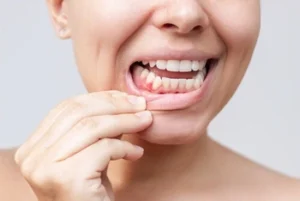 When pressure is applied to the gums, colour can change quickly. You might notice your gums are white after clenching your teeth, wearing a tight appliance, or pressing the area with your tongue. This response is linked to circulation rather than damage. Blood flow reduces briefly, which is why the area looks lighter. These moments often explain short-term changes rather than lasting ones. Among the recognised causes of white gums, pressure-related blanching is one of the most common and least concerning. Once pressure eases, colour usually returns. In some mouths, the way gums sit against the underlying bone structure can make this effect more noticeable.
Irritation From Oral Products or Appliances
Products meant to support hygiene can sometimes irritate the mouth instead. Reactions vary depending on sensitivity and frequency of use. Whitening products are a frequent trigger, particularly when teeth whitening is used too often or left on longer than advised. Some people also react to strong rinses, even when they are labelled gentle. An alcohol-free mouth rinse lowers irritation risk, yet sensitivity can still occur. Toothpaste ingredients, including fluoride toothpaste, may cause surface changes if tissues are already inflamed. Topical products like inflammation-numbing gels can also alter appearance temporarily, especially if applied repeatedly.
Infection or Inflammatory Conditions
When the mouth environment shifts, infection can follow. Gum disease is one reason gums may lose their usual colour, often alongside swelling or tenderness. A bacterial infection may sit along the margins of the teeth, while fungal infections behave differently, often forming lighter patches. A yeast infection in the mouth can lead to oral thrush, also known as oral candidiasis, which may coat areas of the gums. These conditions fall under broader mouth infections, each with distinct patterns. Colour change alone is not enough to identify them, but persistence matters.
Trauma or Healing Tissue
Gums respond quickly to injury, even minor ones. After brushing too hard or scraping food against the gums, healing tissue can appear lighter than the surrounding areas. Small injuries may lead to mouth sores, mouth ulcers, or canker sores, all of which can cause temporary whitening as tissue repairs itself. You may notice patches on the gums during this phase. These changes often come with mild sensitivity rather than pain. As healing completes, colour and texture tend to even out without intervention.
When White Gums Are More Concerning
Not every colour change needs urgent attention, but certain patterns signal that it is time to look closer. Duration, spread, and accompanying changes often matter more than colour alone.
White Areas That Persist or Spread
A short-lived change that fades can be reassuring. When white patches stay in place or slowly extend, they deserve closer attention. This is especially true if white gums around teeth remain visible despite normal care. Ongoing changes may reflect tissue stress rather than a surface issue. Over time, gums that do not recover their usual colour may shift from healthy to unhealthy gums, even if discomfort is minimal. Persistence suggests that the underlying cause has not resolved on its own. Watching whether the area stays localised or begins to widen can help guide next steps.
 Pain, Bleeding, or Surface Changes
 Pain, Bleeding, or Surface Changes
Colour changes become more meaningful when they appear alongside functional signs. Bleeding gums during brushing or eating often point to inflammation rather than simple irritation. As tissues weaken, loose teeth may develop, which can change how pressure distributes across the gums. In some mouths, visible whitening appears alongside gum recession, exposing sensitive areas near the roots. When tooth decay is present, the surrounding tissue may also look different due to bacterial activity. These changes rarely happen in isolation and usually reflect broader disruption.
Accompanying General Health Symptoms
Sometimes the mouth reflects what is happening elsewhere. Underlying health problems can affect circulation, healing, and immune response, all of which influence gum appearance. Conditions linked to nutritional deficiencies may reduce tissue resilience, while a chronic autoimmune condition can alter how the mouth responds to irritation. Disorders such as oral lichen planus may cause persistent colour and texture changes. Paying attention to other symptoms, even those that seem unrelated, helps you understand what may be influencing the gum changes rather than viewing them in isolation.
Differences Between Localised and Widespread Gum Colour Changes
Where a colour change appears can matter just as much as what it looks like. Distribution often offers clues that are easy to overlook if you focus only on shade.
When Changes Stay Confined to One Area
A localised change usually sits near a single tooth or a small section of the mouth. You may notice it only when you pull your lip back or look from a certain angle. These changes often reflect how that specific area is used, contacted, or loaded during chewing or brushing. Small differences in pressure, saliva flow, or contact can influence how tissue responds in one spot while nearby areas remain unchanged. Because the rest of the gums look familiar, isolated changes tend to feel more noticeable, even when they are mild.
What It Means When Colour Changes Appear More Broadly
Widespread changes behave differently. When colour shifts appear across several areas, they tend to feel less sharp and more uniform. You might struggle to identify exactly where the change starts or ends. These patterns often develop gradually, which makes them harder to pinpoint without comparison over time. Instead of drawing attention to one tooth or corner, they create a general sense that the gums look different overall. This broader distribution changes how the mouth responds as a whole rather than how one area stands out.
Why Distribution Influences Interpretation
Dentists pay close attention to whether changes respect natural boundaries or cross them. A single area behaving differently suggests a local influence, while widespread changes often reflect a broader shift in how the mouth is responding day to day. When you view colour through this lens, distribution becomes a helpful filter rather than a source of worry. It shifts your focus from isolated appearance to overall pattern, which is usually more informative.
How Age and Hormonal Shifts Affect Gum Appearance
Gums do not stay visually static across adulthood. Internal changes can influence how they look, even when routines remain steady.
Subtle Changes That Happen With Time
As you age, circulation and tissue turnover naturally slow. These changes are gradual and rarely noticeable from one day to the next. Over time, gums may appear thinner, less springy, or slightly different in tone compared to earlier years. These shifts are part of how soft tissue adapts, not a sign that something has gone wrong. Because they happen slowly, they often feel surprising only when you compare the current appearance to memory rather than to recent weeks.
Hormonal Fluctuations and Tissue Response
Hormonal variation affects how gums respond to everyday contact. During certain phases of life, tissues may react more strongly to brushing, dryness, or pressure. You might notice that colour seems less consistent at different times, even when your habits do not change. These fluctuations can influence sensitivity and appearance without creating discomfort. Recognising this variability helps explain why gums may look different during certain periods without signalling a problem.
Why Awareness Matters More Than Comparison
Comparing your gums to old photos or to someone else’s mouth rarely provides clarity. What matters more is noticing whether changes feel stable or unsettled over time. When you understand that age and hormonal shifts influence appearance, you are less likely to interpret every difference as abnormal. This perspective encourages observation rather than overanalysis and supports calmer decision-making if changes persist.
How White Gums Around Teeth Are Assessed
When colour changes do not settle, assessment focuses on pattern, response, and what else is happening in the mouth rather than appearance alone. The goal is to understand what the gums are communicating, not to label the change too quickly.
Visual Examination and Gum Response
During an examination, a dental professional looks closely at how the gums respond to gentle pressure, dryness, and contact. Areas affected by dental plaque overgrowth often appear different along the margins, especially where plaque has been undisturbed. The presence of plaque buildup can change colour, texture, and firmness, even before discomfort appears. Attention is also given to how evenly the gums sit against the teeth and whether colour changes are sharply defined or diffuse. These small details help separate surface irritation from deeper tissue involvement. The response of the gums to light touch often provides clearer insight than colour alone.
Medical and Oral History Considerations
Assessment always extends beyond what is visible. Habits linked to poor oral hygiene or long-standing poor dental hygiene habits can explain gradual changes that seem sudden once noticed. Use of chewing tobacco is also relevant, as it affects circulation and tissue resilience over time. Questions around daily dental hygiene routines help clarify whether plaque control has shifted recently or declined gradually. Timing matters here. A recent change in routine may point to irritation, while long-term habits suggest cumulative effects.
When Further Investigation Is Recommended
In some situations, visual findings prompt a closer look. Persistent changes that do not respond to routine care may require investigation to rule out serious conditions such as oral cancer. While most colour changes are not linked to oral cancer cases, dentists remain alert to early signs because developing oral cancer can begin subtly. Referral or further testing is recommended based on pattern, duration, and surface changes rather than fear. The focus stays on clarity and timely understanding rather than assumption.
What to Do If You Notice White Gums
When you become aware of a colour change, the next steps are less about reacting quickly and more about responding thoughtfully. Paying attention to patterns helps you decide when simple care is enough and when guidance is useful.
 Monitoring Changes at Home
 Monitoring Changes at Home
If you notice white gums around teeth, start by observing rather than adjusting everything at once. Look at whether the colour changes through the day or settles after eating, drinking, or resting the jaw. Daily care, such as brushing and flossing, supports tissue stability, especially when paired with a soft or medium toothbrush that limits friction. Maintaining good oral hygiene helps reduce irritation that can exaggerate colour differences. Avoid pressing or repeatedly checking the area, as pressure itself can alter appearance. Consistency matters more than intensity at this stage.
When to Book a Dental Visit
If colour changes persist or combine with other signs, professional input helps clarify what is happening. Dentists assess whether dental treatments are appropriate or whether further review is needed to understand contributing health factors. Based on findings, a prescribed treatment plan may be discussed to address the cause rather than the appearance alone. In many cases, the treatment plan focuses on reducing irritation and supporting healing rather than immediate intervention. Seeking guidance early can prevent uncertainty from lingering longer than necessary.
Avoiding Self-Diagnosis or Irritating Products
It can be tempting to experiment with products, but doing so may complicate healing. Using antifungal medications without confirmation can mask symptoms rather than resolve them. Likewise, starting iron supplements without guidance may not address the cause if a deficiency is not present. Supporting recovery through a balanced diet often benefits gum resilience without introducing unnecessary irritation. Keeping changes minimal allows clearer assessment and avoids adding new variables while the mouth settles.
Visit Us to Address Ongoing Gum Changes With Confidence
White gums around teeth deserve attention when they persist or begin to affect comfort, even if other symptoms feel mild. A professional review helps clarify what is happening and whether treatment is needed now or simply monitored over time.
At our clinic, we take the time to look closely, explain findings clearly, and outline options without pressure. This approach helps you make informed decisions about care that fits your mouth and daily routine.
Early assessment can also identify signs of gum inflammation before it progresses or begins to interfere with daily comfort. Focusing on maintaining oral health often involves small, practical adjustments rather than immediate intervention.
In many cases, improved dental hygiene habits play a meaningful role in supporting tissue recovery and reducing future concerns. To book an appointment or speak with our team, please call us at 07 4158 5813.
References
https://www.mayoclinic.org/diseases-conditions/oral-thrush/symptoms-causes/syc-20353533
https://www.colgate.com/en-us/oral-health/mouth-sores-and-infections/white-gums